Super Bowl LX: A Generational Performance
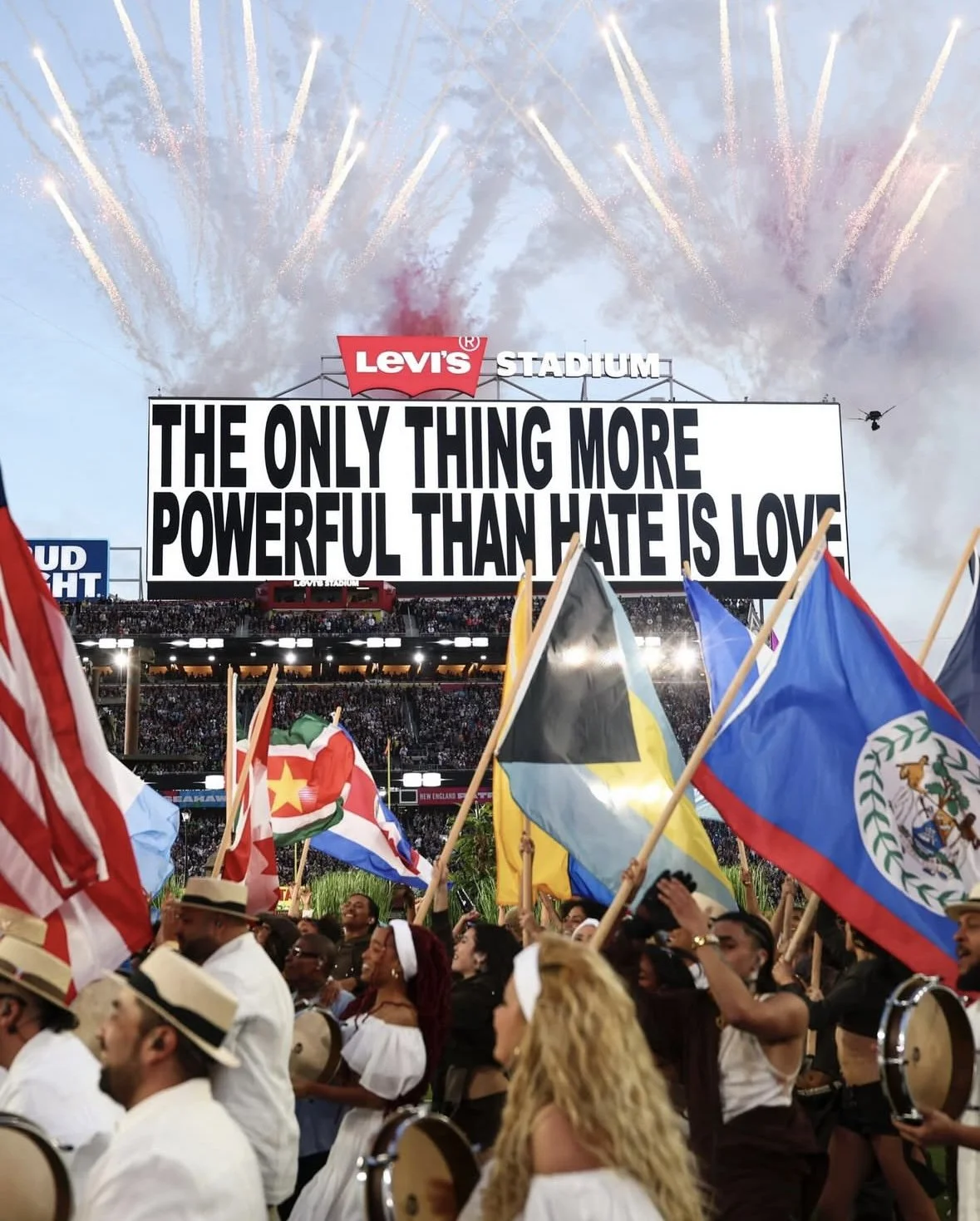
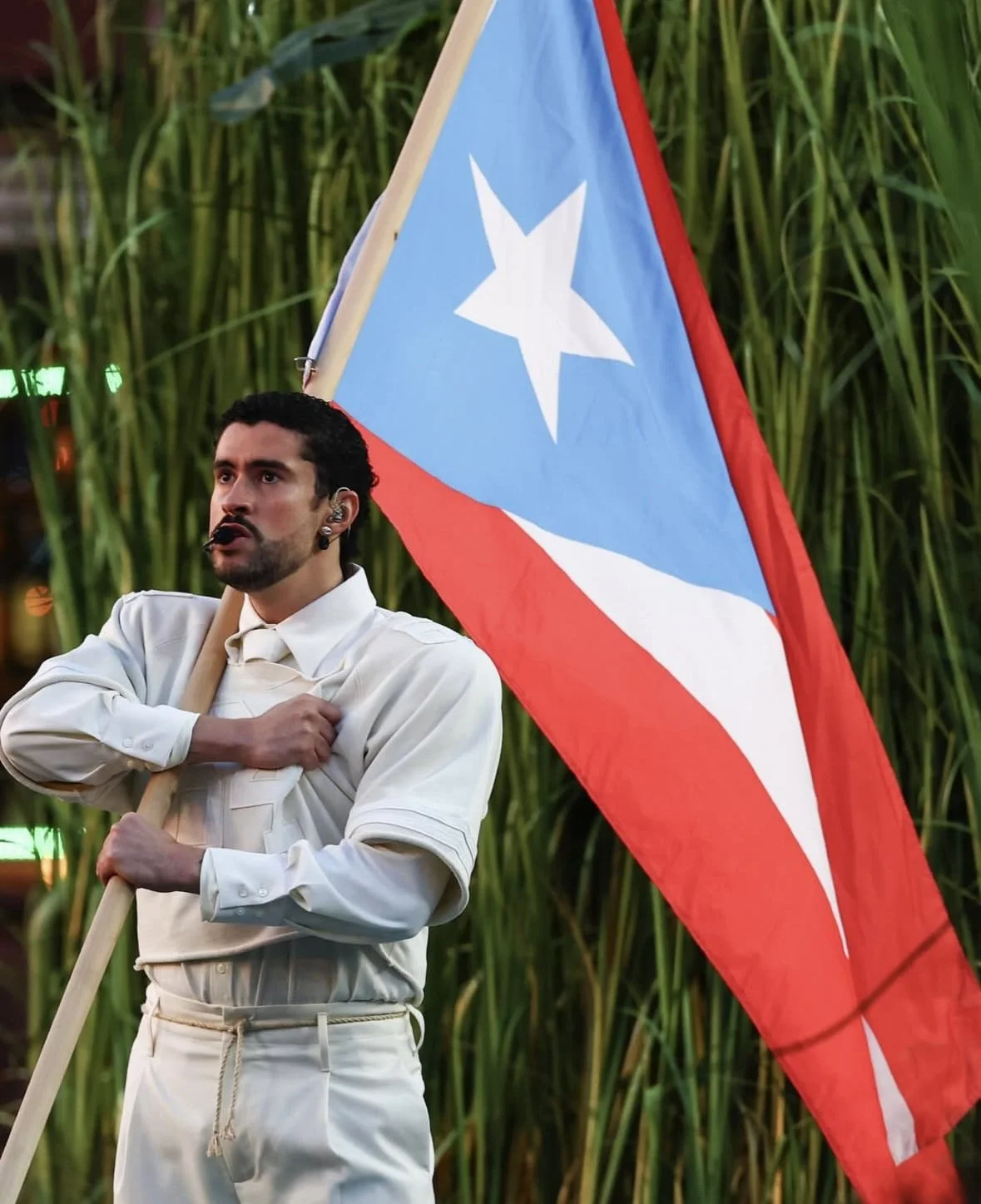
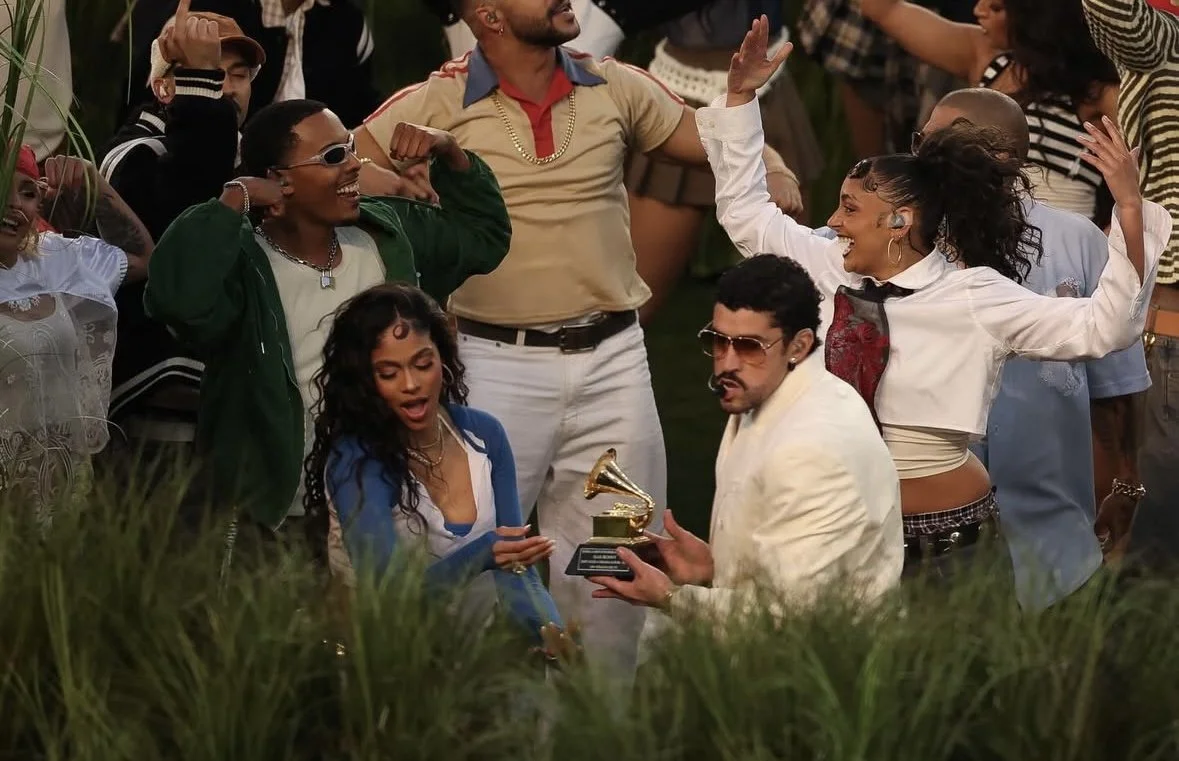
Photo via social media
Turning up the volume to La Mega 97.9 FM and hearing the pride in the radio host’s voice as they talked about seeing their flag in an American field televised around the world. Watching TikToks of older generations tearing up. Sitting in a living room built by the very people who once left everything behind. A whole village gathering at a neighbor’s house to watch the halftime show because not everyone has a TV.
It took me until the morning after to realize the impact it had across generations.
As the daughter of immigrant parents, I felt a deep pride in seeing my roots represented at a time when it can feel scary to show them. But what moved me even more was seeing that same pride reflected in people who traded their homeland for a chance at something new, who built a life here so their children could have more than they did.
For those 13 minutes, the noise disappeared.
Tears filled dry eyes. Flags were raised with pride. Every nation saw their colors and felt it. After how heavy the past two years have been, not just for the Hispanic community, but for the country as a whole, everything else faded. For a moment, we remembered what it felt like to be American. The kind of pride that comes with seeing the red, white, and blue raised high. And that feeling hit even harder knowing that just moments before, the conversation had been anything but accepting.
From the moment the NFL announced the Super Bowl halftime performer, the reaction went far beyond entertainment. It wasn’t just music critics weighing in. It was everyone. And many were quick to attach a political meaning to it.
So the obvious question followed: was this intentional? Or was it simply what the NFL has always done, book one of the biggest artists in the world for the biggest stage in the country?
Love him or not. Understand his Spanish or not. Connect with his artistic style or not. His influence is undeniable. Bad Bunny’s generational impact on music is real. And honestly? It could have just as easily been Taylor Swift. Same global stages. Same massive audiences. Same cultural power. Maybe the decision was made because they wanted to be part of one of the greatest entertainment moments of our time, and the impact proved it was.
Let me tell you a story about a young Puerto Rican boy who dreamed of making music. He followed that dream blindly. One day he was standing on the Grammy stage, making history. The next, he was on the Super Bowl stage, handing his Grammy to a young boy, a reflection of every dreamer he dedicated his speech to, as if he were reaching back to reassure his younger self that he would be okay.
He used that platform to shed light on the power outage crisis in Puerto Rico. He gave space to small Hispanic businesses and entrepreneurs. He showed the world what being Hispanic really looks like, a wedding scene where there’s always a kid asleep on makeshift chairs pushed together, where family is everything, where community is survival. And through it all, he showed the unity this country so desperately needs.
Because at the end of the day, the only thing more powerful than hate is love. And that truth belongs to all of us.